March 17, 2026
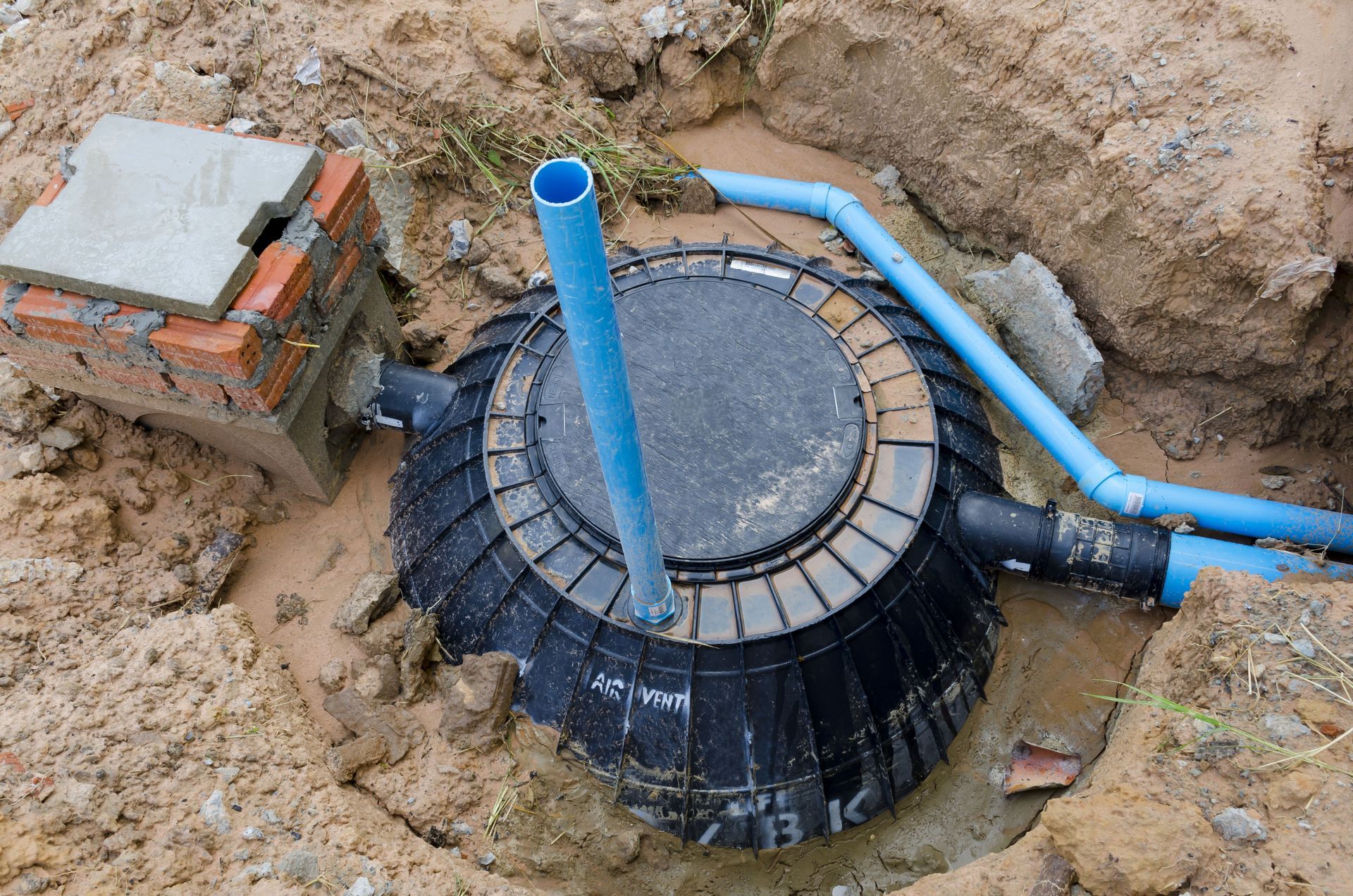
Deciding to install a septic system is a major step for any homeowner, particularly those living in rural or suburban areas where municipal sewer lines do not reach. This infrastructure represents a significant portion of a property’s utility value, serving as the primary method for managing household wastewater. While many people view it simply as a necessary utility, it is more accurate to view a septic system as a long-term financial asset. Understanding the scope of this investment requires looking beyond the initial installation price and considering the long-term operational costs and the structural longevity of the system itself. By treating this system with the same care as a roof or an HVAC unit, homeowners can ensure their investment remains secure and functional for decades to come.
Understanding Long-Term Durability and Lifespan
When evaluating the value of a septic system, it is helpful to look at the expected lifespan of the components. A well-constructed system is not a temporary fix but a permanent part of the home’s infrastructure. According to the EPA, septic tanks will last around 50 years. This long service life means that the cost of the investment is spread out over many decades, making the annual "price" of waste management relatively low compared to other home systems. To reach this half-century mark, however, the system must be treated with respect, and the soil in the drain field must be protected from compaction and chemical damage.
The durability of the tank is only one part of the equation; the drain field’s lifespan is equally important. If the soil becomes clogged with solids or grease, the entire system may fail prematurely, regardless of the tank’s condition. This is why the investment must be managed through careful usage. Avoiding the disposal of harsh chemicals, oils, and non-biodegradable items down the drain preserves the biological balance of the system. When homeowners understand that they are managing a biological treatment plant on their own property, they are more likely to take the small steps necessary to ensure their investment reaches its maximum potential lifespan.
Budgeting for Professional Septic Tank Pumping
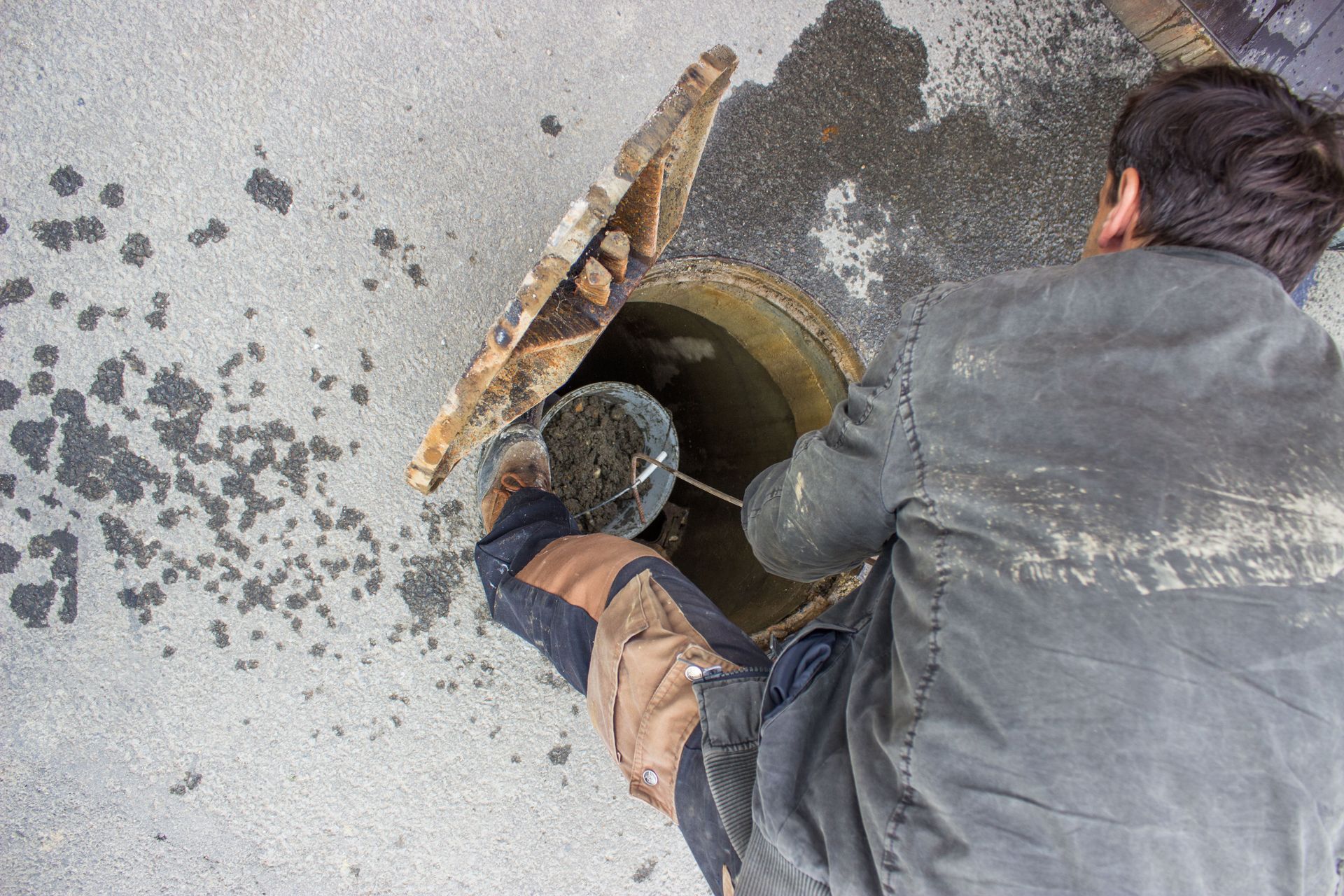
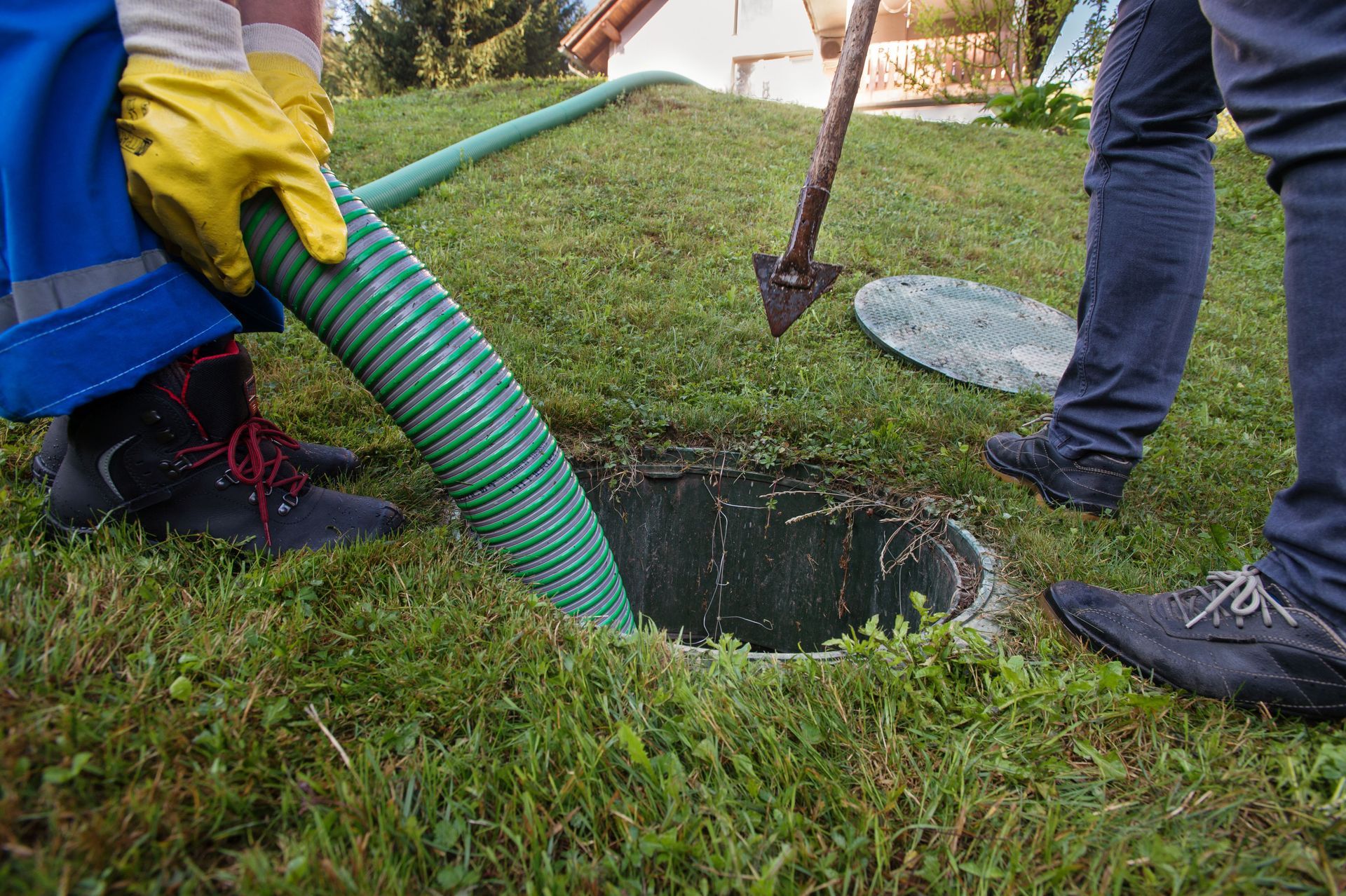
To protect the thousands of dollars spent on installation, a homeowner must commit to a routine maintenance schedule. The most critical part of this maintenance is local septic tank pumping. Without regular service, solids build up at the bottom of the tank and can eventually migrate into the drain field, causing a total system failure. By scheduling local septic tank pumping every few years, you ensure that the "sludge" level never reaches a point where it threatens the health of the soil absorption area. This recurring expense is a small price to pay compared to the cost of replacing an entire leach field.
Many homeowners make the mistake of waiting for a problem to occur before they call for service. However, proactive local septic tank pumping is designed to prevent those problems from ever starting. A professional technician can also inspect the baffles and filters during the pumping process, catching small issues before they turn into emergencies. Because septic tank pumping is a predictable and manageable cost, it should be factored into the annual household budget just like property taxes or insurance. This consistency is the key to maintaining a healthy system that adds value to the home rather than becoming a liability.
Protecting the Investment Through Smart Usage
The way a household uses water has a direct impact on the performance and longevity of the septic system. Excessive water use can flood the tank and the drain field, preventing the natural treatment process from occurring. Investing in low-flow fixtures and being mindful of laundry schedules can significantly reduce the "hydraulic load" on the system. When the system is not overworked, it can process waste more effectively, which reduces the frequency of needed repairs. This operational efficiency is part of the overall investment strategy, as it lowers the total cost of ownership over the years.
Education is also a form of investment for the homeowner. Knowing what should and should not go into the tank is vital. Garbage disposals, for example, can increase the volume of solids in the tank by up to 50 percent, necessitating more frequent local septic tank pumping. By choosing to compost organic waste instead of grinding it into the plumbing, you are directly extending the time between service visits and protecting the delicate balance of bacteria in the tank. These small behavioral changes are essentially "free" ways to increase the return on your investment by avoiding unnecessary service calls and premature wear and tear.
Considering the Environmental and Property Value Benefits
A functional septic system is a major selling point for any property. When a potential buyer sees that a home has a well-maintained system with a documented history of local septic tank pumping, they feel more confident in the purchase. On the other hand, a neglected system can derail a real estate transaction or force a significant price reduction. In this sense, the money spent on maintenance is actually an investment in the home’s equity. A septic system that is in good working order proves that the property is self-sufficient and that the previous owners were diligent in their care of the home.
There is also an environmental "dividend" to consider. When a septic system works correctly, it treats wastewater locally and recharges the local groundwater. This is a much more sustainable process than sending waste through miles of pipes to a central treatment plant. By investing in local septic tank pumping and proper care, you are helping to keep the local ecosystem healthy. Clean groundwater is essential for the health of the community and the value of the land. Homeowners who take pride in their septic systems are contributing to the long-term environmental stability of their neighborhood while also protecting their financial interests.
Selecting a Trusted Partner for Ongoing Maintenance
Because a septic tank is such a large investment, you should never trust its care to an amateur. Building a relationship with a reliable service provider ensures that you have a partner who understands the history of your system. A professional service will keep records of your local septic tank pumping dates and the condition of your tank during each visit. This data is invaluable for troubleshooting future issues or providing proof of maintenance to future buyers. Choosing a company that specializes in the local area means they will be familiar with the specific soil types and environmental challenges unique to your region.
Ultimately, the goal of this investment is peace of mind. You want a system that works quietly in the background without causing stress or financial strain. By committing to a high-quality installation and a consistent schedule for septic tank pumping, you are ensuring that your home remains a safe and comfortable place to live. The financial investment is significant, but when viewed over a 50-year period, it is one of the most cost-effective ways to manage a modern household. Taking a proactive approach today will save you from the headache of emergency repairs and the high cost of total system replacement in the future.
When you look at the total picture, a septic tank is a smart investment that provides essential service and long-term value to your property. While the upfront costs and the need for regular maintenance like local septic tank pumping require attention, the benefits of independence and durability are well worth it. Keeping your system in top shape is the best way to protect your home’s value and your family’s health. If you have questions about your system or need to schedule a routine checkup, reaching out to experts is the first step toward a worry-free utility experience. Contact Hyler Septic Service LLC today to learn more about how we can help you maintain your investment for years to come.