May 12, 2026
The average homeowner may not give much thought to their septic tank until a significant problem arises. However, developing an understanding of the basics of these systems can prevent expensive repairs and ensure a long functional life for your property's infrastructure. This article explores essential strategies for maintaining and managing your septic tank efficiently. Septic systems play a critical role in waste management for properties not connected to municipal sewage facilities, providing an effective on-site solution for treating and disposing of household wastewater. With ongoing maintenance from septic tank pumping services and careful management, these systems can serve a household effectively for decades.
Understanding Septic Systems
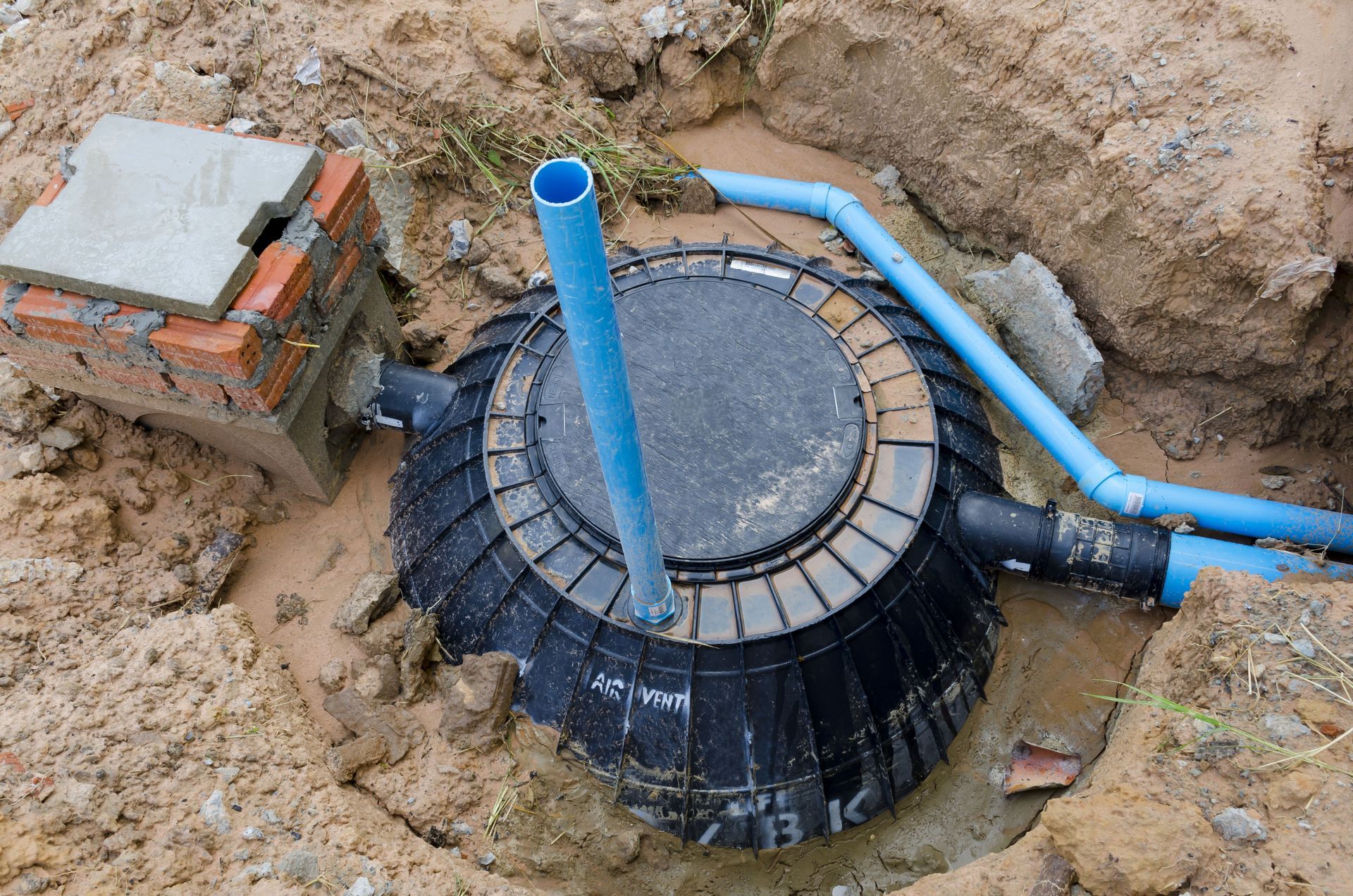
A septic system is an underground wastewater treatment structure commonly utilized in areas without centralized sewer systems. It comprises a septic tank and a soil absorption field, also known as a drain field, designed to safely treat and dispose of household effluent. The tank functions by digesting organic matter, separating solids from the liquid, and allowing cleaner water to flow toward the drain field for final filtration. According to This Old House, septic tanks can typically hold more than 1,000 gallons of waste. Developing an understanding of these components is crucial for effective long-term management.
Categorizing Types of Systems
Different designs exist to suit various environmental conditions and specific household needs. Conventional systems are the most common, consisting of a simple gravity-fed tank and a stone-lined drain field. However, in areas with high water tables, shallow bedrock, or poor soil percolation, alternative systems such as mound systems, sand filters, or aerobic treatment units may be required. Each design has distinct advantages and must be tailored to the specific constraints of the property to maximize efficiency and environmental safety.
Analyzing the Process
Septic systems operate by channeling wastewater through pipes from the home into the septic tank. Once inside, the flow velocity slows, allowing solids to settle to the bottom as sludge, while oils and grease float to the top as scum. Anaerobic bacteria within the tank help to break down the organic solids. The treated liquid effluent then exits the tank and is gradually absorbed into the soil of the drain field. This natural process reduces pollutants, ensuring that the water reaching groundwater sources is safe.
Adhering to Regulatory Requirements
Installing and operating a septic system requires strict compliance with various local and state health regulations. These rules ensure that systems meet safety standards and minimize the risk of contaminating the local environment. Property owners must typically obtain a permit before any work begins, which involves soil "perc" tests and detailed site designs. Regular inspections and adherence to specific maintenance intervals are often mandated by law to protect public health.
Managing Installation and Maintenance
Choosing the correct septic setup for your property is the first step in ensuring sustainable wastewater management. Factors to consider include the number of bedrooms in the house, soil quality, property slope, and local climate. Consulting with professionals can help determine the most suitable tank and field combination. A system too small for the household load may risk frequent backups, necessitating more frequent septic tank pumping services.
Executing the Installation Process
The installation of a septic system is a multi-step engineering project that requires careful execution. Initial steps involve conducting soil tests to ensure the site can handle the liquid load. Once designs are approved and permits are obtained, excavation begins. It is critical that all components, such as the tank and the distribution box, are leveled correctly to ensure even flow. Finally, a proper inspection by local authorities must be conducted before the system is covered with soil.
Performing Regular Maintenance Practices
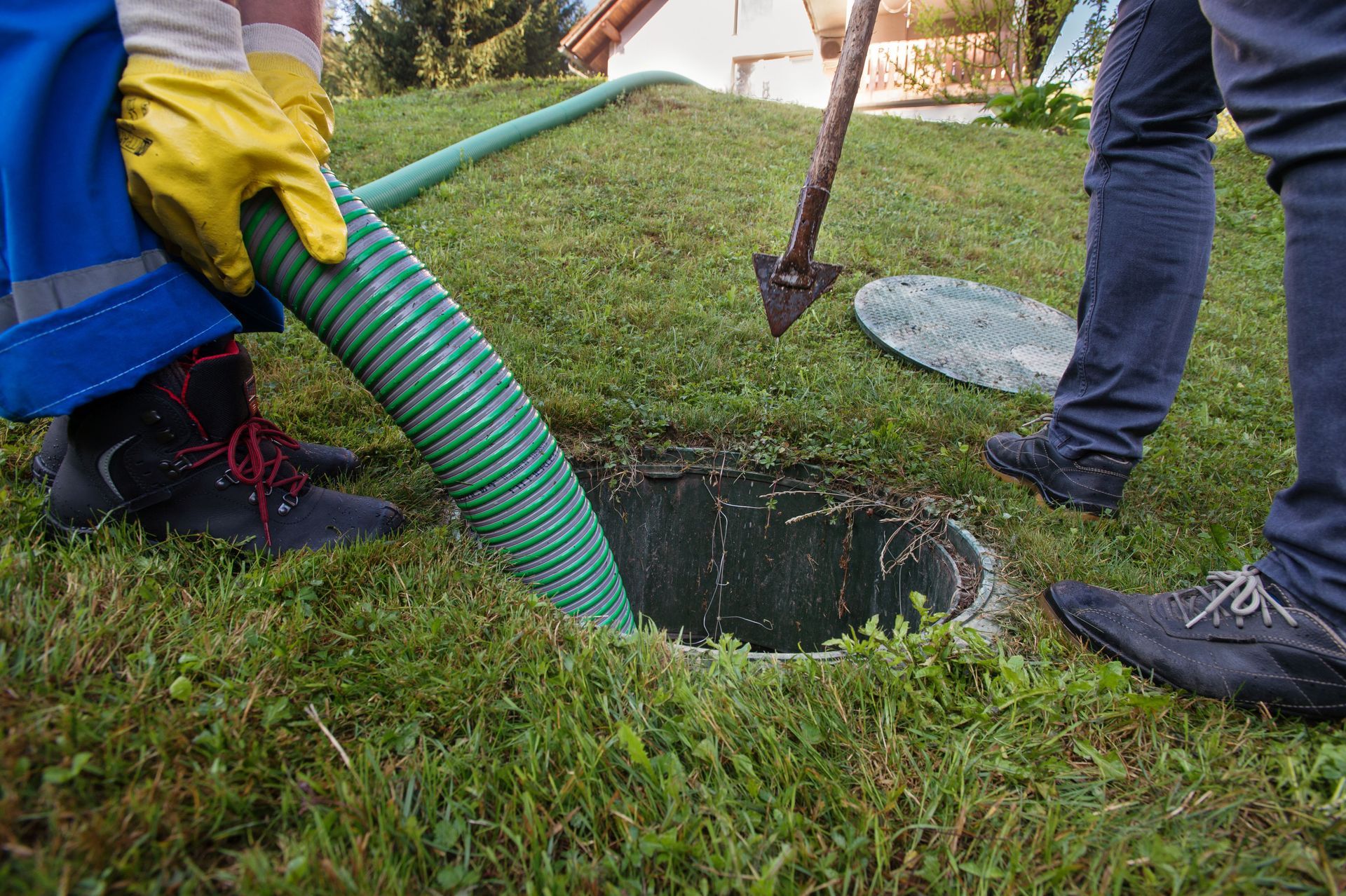
Routine maintenance is paramount to keeping the system functioning optimally. Regular inspections every few years can prevent small issues, like a clogged baffle, from becoming a major failure. Pumping the tank at regular intervals is generally recommended to remove the accumulated sludge before it can escape into the drain field. Residents should also practice waste mindfulness by conserving water and avoiding the disposal of harmful chemicals or non-biodegradable materials.
Identifying Common Issues
Property owners will eventually encounter issues that require professional attention. Common problems include foul odors near the tank, slow drains throughout the house, or lush, green patches of grass over the drain field, even during dry weather. Recognizing these early warning signs and taking preventative action is a fundamental aspect of owning a septic system. Addressing these concerns promptly can prevent total system failure or significant environmental damage.
Consulting with Professionals
While homeowners can manage water usage, most technical tasks require professional expertise. When selecting a provider, ensure they are experienced in handling your specific system design. Engaging professionals for periodic inspections ensures that problems are correctly identified and rectified using proper equipment. Building a long-term relationship with septic tank pumping services ensures that you have support whenever a malfunction occurs.
Evaluating Cost Factors
The upfront costs of installing a septic system can range widely based on the system type and property-specific geography. Factors such as the size of the tank, the complexity of the drain field, and local permitting fees all influence the total expenditure. While conventional systems may incur lower initial costs, alternative systems for challenging sites might require a larger investment. A well-considered initial investment ensures the system meets the long-term needs of the home.
Budgeting for Ongoing Expenses
Routine expenses are necessary to keep the system functioning effectively. These costs include periodic inspections and the occasional need for septic tank pumping services. While some homeowners view these costs as a burden, regular upkeep often prevents the need for a total system replacement, which is significantly more expensive. Incorporating these costs into a home maintenance budget can mitigate the financial strain of unexpected malfunctions.
Planning for Repairs and Upgrades
Over time, mechanical parts such as pumps or baffles may require repair to maintain performance. Repair costs vary based on the severity of the problem and the accessibility of the components. For older systems, upgrading to a more efficient distribution method or adding a riser for easier access may become necessary. Investing in quality parts can minimize future expenses and improve the overall reliability of the wastewater treatment process.
Exploring Financial Assistance
To assist homeowners with the cost of owning a septic system, various financial programs may be available. Municipal or state programs sometimes offer low-interest loans or grants to encourage proper wastewater management and protect local water tables. In some regions, upgrading to an eco-friendly system may qualify for specific tax credits. Property owners should research available incentives in their specific county to help alleviate upfront costs.
Prioritizing Health and Environmental Safety
Septic systems rely on a delicate balance of bacteria to break down waste. Owners need to ensure that household chemicals, such as bleach or strong disinfectants, do not disrupt these essential biological processes. Training family members on proper waste disposal—meaning only organic waste and toilet paper should enter the system—can minimize harmful inputs. Safeguarding this biological integrity is key to preventing the tank from filling up prematurely.
Addressing Sewage Backups
Occasionally, malfunctions may result in sewage backups into the home. These incidents present substantial health hazards, requiring prompt and careful mitigation by professionals. It is crucial to secure specialized cleanup services to ensure the area is properly sanitized. Homeowners should have an emergency plan in place that includes turning off water usage immediately to prevent further overflow during a backup event.
Preventing Groundwater Contamination
Effective management contributes directly to preventing groundwater contamination. Leaks, overflows, and poor drain field design are potential sources of dangerous pollution for local water supplies. Conducting regular system inspections and promptly repairing damages reduces these harmful consequences. Positioning the drain field away from wells and adhering to modern setback standards further limits the risk of contaminating the water you and your neighbors drink.
Analyzing Future Trends
Smart technology integration offers promising advancements for system monitoring. Modern setups equipped with sensors provide real-time data on liquid levels and usage patterns. Algorithms can analyze this data to predict when the system might be nearing capacity, allowing homeowners to schedule septic tank pumping services before an overflow occurs. Adopting smart technology simplifies maintenance routines and offers peace of mind through digital oversight.
Exploring Green Technologies
Biofilters and other green technologies present environmentally friendly alternatives to traditional drain fields. Utilizing biological processes and renewable materials, these technologies enhance treatment effectiveness and reduce the total ecological footprint of the home. These systems represent a compelling future trajectory for wastewater management, demonstrating a commitment to sustainable practices that protect local biodiversity.
Maintaining System Longevity
Regular care is the only way to protect the massive investment located in your backyard. By staying informed about your system's specific needs and following a strict maintenance schedule, you can ensure your home remains safe and sanitary. Proper management not only protects your family's health but also preserves the value of your property for years to come.
If you are looking for a partner to help manage your wastewater needs, our team provides expert solutions tailored to your property. We offer comprehensive septic services, including septic repair, to keep your system in top condition. Whether you need an inspection or are managing a site that requires portable toilets, we have the experience to provide quality results. Contact Hyler Septic Service LLC today to schedule your septic tank pumping services and ensure your system continues to operate efficiently.